

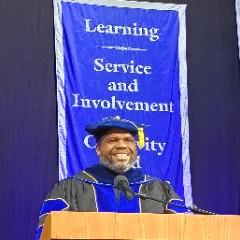
Dr. Stephen Pereira
Adjunct Professor of the biological, medical, and health sciences
Farmers Branch,TX
Summary
Zestful Adjunct Professor with a proven track record in developing engaging curricula and facilitating interactive lecture and laboratory sessions. Committed to fostering student engagement and mentorship in the biological, medical, and health sciences.
Overview
21
21
years of professional experience
13
13
years of post-secondary education
Work History
Adjunct Biology Professor
Collin College
Plano, TX
06.2021 - Current
- Develops engaging lesson plans for undergraduate biology courses.
- Mentors students in research projects and academic pursuits in biology.
- Implements innovative teaching methods to promote student engagement and interest.
- Organizes field trips and guest lectures to enrich the educational experience.
- Advises students on career paths related to the field of biology.
- Develops assignments and tests to assess student progress.
- Manages consistent, learning-focused classroom environments by establishing and communicating clear objectives for students.
- Assesses student progress with course material through routine quizzes, final examinations, and standardized assessments.
- Administers tests, quizzes and other assignments to gauge students' learning and knowledge of course materials.
- Maintains accurate attendance records and report cards for many students.
- Mentors students on academic issues such as study skills and time management.
- Supervises undergraduate research projects related to topics discussed in class.
- Attends faculty meetings and professional development workshops regularly.
- Conducts laboratory sessions to facilitate student understanding of course material.
- Delivers lectures using audio-visual aids such as slideshows, videos or interactive software programs.
- Develops and taught a variety of courses in biology.
- Creates lesson plans for classes based on curriculum standards.
- Evaluates student progress by reviewing homework assignments and tests scores.
- Utilizes online tools such as webinars or virtual classrooms for remote instruction.
Adjunct Biology Professor /Public Health
Dallas Christian College
Farmers Branch, Texas
08.2022 - Current
- Develops engaging lesson plans for undergraduate biology courses.
Mentors students in research projects and academic pursuits in biology.
Implements innovative teaching methods to promote student engagement and interest.
Organizes field trips and guest lectures to enrich the educational experience.
Advises students on career paths related to the field of biology.
Develops assignments and tests to assess student progress.
Manages consistent, learning-focused classroom environments by establishing and communicating clear objectives for students.
Assesses student progress with course material through routine quizzes, final examinations, and standardized assessments.
Administers tests, quizzes and other assignments to gauge students' learning and knowledge of course materials.
Maintains accurate attendance records and report cards for many students.
Mentors students on academic issues such as study skills and time management.
Supervises undergraduate research projects related to topics discussed in class.
Attends faculty meetings and professional development workshops regularly.
Conducts laboratory sessions to facilitate student understanding of course material.
Delivers lectures using audio-visual aids such as slideshows, videos or interactive software programs.
Develops and taught a variety of courses in biology.
Creates lesson plans for classes based on curriculum standards.
Evaluates student progress by reviewing homework assignments and tests scores.
Utilizes online tools such as webinars or virtual classrooms for remote instruction. - Develops and taught a variety of courses in biology and public health.
- Creates lesson plans for classes based on curriculum standards.
- Evaluates student progress by reviewing homework assignments and tests scores. Utilized online tools such as webinars or virtual classrooms for remote instruction.
Adjunct Biology Professor
Dallas College
Dallas, TX
01.2017 - Current
Develops engaging lesson plans for undergraduate biology courses.
Mentors students in research projects and academic pursuits in biology.
Implements innovative teaching methods to promote student engagement and interest.
Organizes field trips and guest lectures to enrich the educational experience.
Advises students on career paths related to the field of biology.
Develops assignments and tests to assess student progress.
Manages consistent, learning-focused classroom environments by establishing and communicating clear objectives for students.
Assesses student progress with course material through routine quizzes, final examinations, and standardized assessments.
Administers tests, quizzes and other assignments to gauge students' learning and knowledge of course materials.
Maintains accurate attendance records and report cards for many students.
Mentors students on academic issues such as study skills and time management.
Supervises undergraduate research projects related to topics discussed in class.
Attends faculty meetings and professional development workshops regularly.
Conducts laboratory sessions to facilitate student understanding of course material.
Delivers lectures using audio-visual aids such as slideshows, videos or interactive software programs.
Develops and taught a variety of courses in biology.
Creates lesson plans for classes based on curriculum standards.
Evaluates student progress by reviewing homework assignments and tests scores.
Utilizes online tools such as webinars or virtual classrooms for remote instruction.
Adjunct Biology Professor
Tarrant County College
Arlington, Texas
01.2017 - Current
- Develops course syllabi aligning with departmental standards and learning objectives.
- Facilitates engaging lectures to enhance student understanding of biological concepts.
- Evaluatesd student performance through assignments, exams, and class participation.Advised students on academic progress and career pathways in biology fields.
- Collaborated with faculty to improve curriculum and teaching methods in biology courses.
- Managed classroom dynamics to foster a positive learning environment for all students.
- Implemented innovative teaching strategies to address diverse learning styles effectively.
- Mentored students on academic issues such as study skills and time management.
- Advised students on career paths related to the field of biology.
- Developed and taught a variety of courses in biology, including genetics, biochemistry, microbiology, physiology and ecology.
- Integrated technology into classroom activities for enhanced learning opportunities.
- Teaches face to face and in online class forums
Adjunct Biology Professor
Park University (Lackland AFB & Randolph AFB)
San Antonio, Texas
08.2009 - 11.2015
- Developed engaging biology curriculum aligned with college standards.
- Facilitated interactive lectures and discussions to enhance student understanding.
- Mentored students during office hours to support academic success.
- Utilized educational technology to enhance learning experiences in the classroom.
- Conducted laboratory sessions, ensuring safety and proper procedures were followed.
- Provided guidance to students on research projects and assignments.
- Facilitated group discussions among students to encourage critical thinking skills.
- Maintained accurate records of student attendance, grades and evaluations.
- Assessed student performance through quizzes, exams and other assessments.
- Utilized online tools such as webinars or virtual classrooms for remote instruction.
- Attended faculty meetings and professional development workshops regularly.
- Updated syllabus content periodically according to changes in the industry.
- Developed and taught a variety of courses in biology, including general biology, human ecology, community health.
Adjunct Biology Professor
Wayland Baptist University
San Antonio, Texas
08.2008 - 11.2015
- Developed course syllabi aligning with departmental standards and learning objectives.
- Facilitated engaging lectures to enhance student understanding of biological concepts.
- Evaluated student performance through assignments, exams, and class participation.
- Advised students on academic progress and career pathways in biology fields.
- Collaborated with faculty to improve curriculum and teaching methods in biology courses.
- Mentored students on academic issues such as study skills and time management.
- Collaborated with colleagues to develop new curricula and teaching methods.
- Provided guidance to students on research projects and assignments.
- Conducted research on current trends in biology education to inform instructional practices.
Adjunct Biology Professor
University of the Incarnate Word
San Antonio, Texas
07.2014 - 12.2015
- Developed engaging biology curriculum for diverse student populations.
- Facilitated interactive laboratory sessions to enhance practical learning experiences.
- Developed course syllabi aligning with departmental standards and learning objectives.
- Facilitated engaging lectures to enhance student understanding of biological concepts.
- Evaluated student performance through assignments, exams, and class participation.
- Advised students on academic progress and career pathways in biology fields.
- Evaluated student performance through assessments and feedback methods.
- Collaborated with faculty to improve course content and teaching strategies.
- Mentored students in academic growth and career planning within biological sciences.
- Attended faculty meetings and professional development workshops regularly.
- Assessed student performance through quizzes, exams and other assessments.
- Utilized online tools such as webinars or virtual classrooms for remote instruction.
- Evaluated student progress by reviewing homework assignments and tests scores.
- Mentored students on academic issues such as study skills and time management.
- Maintained accurate records of student attendance, grades and evaluations.
- Updated syllabus content periodically according to changes in the industry.
- Assessed student progress with course material through routine quizzes, final examinations, and standardized assessments.
- Administered tests, quizzes and other assignments to gauge students' learning and knowledge of course materials.
- Maintained accurate attendance records and report cards for many students.
- Provided guidance to students on research projects and assignments.
- Collaborated with colleagues to develop new curricula and teaching methods.
Adjunct Biology Professor
Alamo Community College District
San Antonio, Texas
01.2009 - 06.2010
- Developed course syllabi aligning with departmental standards and learning objectives.
- Facilitated engaging lectures to enhance student understanding of biological concepts.
- Evaluated student performance through assignments, exams, and class participation.
- Advised students on academic progress and career pathways in biology fields.
- Collaborated with faculty to improve curriculum and teaching methods in biology courses.
- Managed classroom dynamics to foster a positive learning environment for all students.
- Collaborated with colleagues to develop new curricula and teaching methods.
- Provided guidance to students on research projects and assignments.
- Mentored students on academic issues such as study skills and time management.
- Advised students on career paths related to the field of biology.
- Developed and taught a variety of courses in biology, including genetics, biochemistry, microbiology, physiology and ecology.
Adjunct Biology Professor
Virginia Community College System
Hampton & Chesapeake, VA
01.2006 - 03.2008
- Taught Introduction to Biology lecture and lab classes at at Peninsula College and Tidewater Community College.
- Developed course syllabi aligning with departmental standards and learning objectives.
- Facilitated engaging lectures to enhance student understanding of biological concepts.
- Evaluated student performance through assignments, exams, and class participation.
- Advised students on academic progress and career pathways in biology fields.
- Implemented innovative teaching strategies to address diverse learning styles effectively.
- Collaborated with colleagues to develop new curricula and teaching methods.
- Provided guidance to students on research projects and assignments.
- Mentored students on academic issues such as study skills and time management.
- Advised students on career paths related to the field of biology.
- Developed and taught a variety of courses in biology, including genetics, biochemistry, microbiology, physiology and ecology.
- Maintained accurate records of student attendance, grades and evaluations.
Teachers Assistant
Virginia State University
Petersburg, VA
08.2005 - 07.2007
- Assisted professors in preparing instructional materials and classroom resources.
- Facilitated communication between students and faculty during office hours.
- Organized study sessions and tutoring for students needing additional support.
- Graded assignments and provided feedback to enhance student understanding.
- Coordinated classroom activities and events to promote student engagement.
- Supported the use of educational technology to enhance learning experiences.
- Helped teachers with material generation, lesson plan development, class preparation, scheduling, exam distribution and student mentoring.
- Instructed students individually or in groups to reinforce learning concepts.
- Established positive relationships with students, parents, fellow teachers and school administrators.
- Adapted teaching methods and instructional materials to meet the varying needs of individual students.
- Monitored student progress by keeping detailed records of academic performance.
- Utilized technology resources such as computers, tablets, projectors and interactive whiteboards.
- Prepared and set up equipment and materials for laboratory sessions.
- Acted as a liaison between students and faculty, facilitating communication and understanding.
Education
Ph.D. - Public Health: Concentration Epidemiology
Walden University
Minneapolis, MN 06.2013 - 12.2025
Master of Science - Biology
Virginia State University
Petersburg, VA07-2007
Bachelor of Science - Biology
Norfolk State University
Norfolk, Virginia, VA05-2002
Skills
- Curriculum development
- Student mentorship
- Research supervision
- Classroom management
- Laboratory instruction
- Educational technology
Languages
English
Native language
Spanish
Intermediate (B1)
B1
Timeline
Adjunct Biology Professor /Public Health
Dallas Christian College
08.2022 - Current
Adjunct Biology Professor
Collin College
06.2021 - Current
Adjunct Biology Professor
Dallas College
01.2017 - Current
Adjunct Biology Professor
Tarrant County College
01.2017 - Current
Adjunct Biology Professor
University of the Incarnate Word
07.2014 - 12.2015
Ph.D. - Public Health: Concentration Epidemiology
Walden University
06.2013 - 12.2025
Adjunct Biology Professor
Park University (Lackland AFB & Randolph AFB)
08.2009 - 11.2015
Adjunct Biology Professor
Alamo Community College District
01.2009 - 06.2010
Adjunct Biology Professor
Wayland Baptist University
08.2008 - 11.2015
Adjunct Biology Professor
Virginia Community College System
01.2006 - 03.2008
Teachers Assistant
Virginia State University
08.2005 - 07.2007
Master of Science - Biology
Virginia State University
Bachelor of Science - Biology
Norfolk State University
Affiliations
- Affiliated with various professional organizations such as the National Registry for Environmental Professionals (NREP), National Society for Leadership and Success (NSLS), 100 Black Men Organization of San Antonio, National Association of Remedial Project Managers (NARPM), Perfluroalkyl and Polyfluroalkyl Substances Forum, Problem Solving Forum, Groundwater Forum, American Public Health Association (APHA), and Toastmasters. I have volunteered for emergency response efforts for the United States Environmental Protection Agency (USEPA) as a member of the Emergency Response Team, Feds Feed Families, Salvation Army Program, Earth Day, Veterans Affairs Hospital Audie Murphy, Riverside Regional Medical Center, Red Cross, and Habitats for Humanities Dallas, Ft Worth Chapter.
- Donates money to St Jude Research Hospital. St. Jude Children's Research Hospital is a leading pediatric hospital and research center for childhood cancer and other catastrophic diseases, renowned for its unique model where families never receive a bill for treatment, travel, housing, or food, focusing funding on research and care. They treat complex cases, including rare cancers, blood disorders (like sickle cell disease, neurological disorders, and infectious diseases, pioneering gene therapy and precision medicine while providing holistic support and an onsite school for patients. St. Jude helped push the overall childhood cancer survival rate in the US from 20% in 1962 to over 80% today.
Accomplishments
- Received various awards and honors. While attending Norfolk State University (NSU) I was handpicked to worked as a laboratory assistant in the Biology Department under the guidance of the late Dr. Bertha Richard. My duties supported research or academic labs by learning wet chemistry laboratory analysis techniques. I performed laboratory analysis on various water samples preparing samples and assisted Dr. Richard with genetics experiments with frogs. My duties also consisted of maintaining equipment cleanliness,and ensuring safety protocols. Responsibilities often include managing lab data, sterilizing instruments, supporting Dr. Richard, and student research projects. Other mentors that stood out at NSU were the late Dr. Maxwell Bempong and, Dr. Howard Duncan. In March 2002 I was nominated for Who’s Who in American Colleges and Universities while attending NSU. On May 11, 2002 I earned my B.S in Biology at NSU. In June 2003 I worked as a Research Technician at the College of William and Mary’s Virginia Institute of Marine Science (VIMS) in Gloucester Point, Virginia under the mentorship and guidance of Dr. Linda Schaffner. Her research project was on an Integrated Approach to Understand Relationships Between Shallow Water Benthic Community Structure and Ecosystem Function in the Chesapeake Bay. I was honored to be a member of Dr. Schaffner's research team. This project consist of collecting water samples over a 3 year period. During mid-summer 2003, year one of this study, sampling was conducted at four high mesohaline/polyhaline sites in the southern Chesapeake Bay: Langley Air Force Base (LAFB), relatively pristine control sites located in Thorntons Creek and the Goodwin Islands, and a highly impacted site in the Elizabeth River. Fort Eustis, Patuxent, and their respective paired control sites in the southern and mid-Chesapeake Bay was sampled during year two 2004. While Dahlgren, Quantico, Aberdeen, and their paired control sites will be visited in year three (2005). I had an opportunity to work as a research technician in Dr. Schaffner Lab between June 2003 to June 2005. I had an opportunity to perform wet chemistry laboratory analysis laboratory analysis on various water samples during the Understand Relationships Between Shallow Water Benthic Community Structure and Ecosystem Function in the Chesapeake Bay Project. In 2005 I started my Master’s Program in Biology at Virginia State University (VSU). During my time at VSU I had an opportunity to work under the guidance of my mentors Dr. Harbans Bhardwaj and Dr. Knight-Mason on my Masters Thesis on Biological Nitrogen Fixation and Seed Composition Traits in White Lupin Plants. I also worked with Dr. Pamela-Buchanan. She was my on-site supervisor for the United States Department of Agriculture (USDA) and also served as a mentor at VSU. I worked as a USDA Animal and Plant Health Technician (Term Position) while attending VSU. My research was funded under a United States Department of Agriculture (USDA) Grant secured by Dr. Bhardwaj. In April 2006 I won first place at the Association of Research Directors (ARD) Conference in the category for Environmental Stewardship and Bio-Security for Graduate Student Competitive Papers on my Master’s Thesis Project on Biological Nitrogen Fixation and Seed Composition Traits in White Lupin Plants in Atlanta, Georgia. In April 2006 I was also inducted into the Beta, Beta, Beta Biological Honor Society and Beta Kappa Chi National Scientific Honor Society at VSU. On July 27, 2007 I earned my M.S in Biology at VSU. I started working for the City of San Antonio (COSA) in January of 2009. I had a great mentor in Mr. Brenton Baker who mentored me in environmental performance, ensure regulatory compliance, and foster career development. The COSA hosts an Annual Basura Bash, a city-wide waterway cleanup event. Between May 2009 to March 2010. I was able to coordinate efforts in getting the Salado Creek area near the San Antonio International Airport added to the list of locations for the Annual Basura Bash Event and also got local citizens and stakeholders to come out and participate in the cleanup. In July 2010 I was recognized and received an award for spearheading the efforts for the event. Between 2016 through 2017 I participated in a USEPA Region 6 Making a Visible Difference in Communities Project. that focuses on providing better support to communities, especially in environmentally overburdened, underserved and economically distressed areas where the needs are the greatest. Alexandria/Pineville Louisiana was identified with the help of local citizens who raised environmental concerns related to several regulated sites in the area (two creosoting facilities, two federal Superfund sites, a state Superfund site, and a metal recycling facility) based in Alexandria/Pineville Louisiana. During this project USEPA sampled and identified creosote, benzo(a)pyrene, and pentachlorophenol contamination at Hunter Park/Chatlin Lake Canal (Alexandria) and Slocum School/Pineville Soccer Park (Pineville). Findings from the air, sediment, soil, and groundwater samples data lead to increased community outreach efforts and remediation activities. Received recognition for my participation. In June 2018 I received an award for participating in the 2017 Hurricane Harvey USEPA Region 6 Emergency Response Effort. In December 2022 I was nominated for Marquis Who’s Who In America. In 2024 volunteered for the USEPA Maui Wildfire Response Effort. In May 2025 the USEPA Region 6 recognized 12 employees that had previously worked as educators or are current educators as part of Teachers Appreciation Week. I was one of the twelve employees that the agency recognized. Have recieved excellent course evaluations at various colleges and universities and high ratings on Rate My Professor.com. In November 2025 I was inducted into the National Society for Leadership and Success (NSLS) Honor Society at Walden University. In December 2025 I completed my final dissertation defense on my dissertation entitled Association Between Environmental Exposures to Perfluroalkyl and Polyfluroalkyl Substances and Military Veterans Cancer Determination and completed my PHD Program in Public Health with a concentration in Epidemiology at Walden University. My Disseration Chair Dr. Patrick Tschida and Methodology Expert Dr. Edward Irobi served as members of my dissertation committee and serve as mentors.