

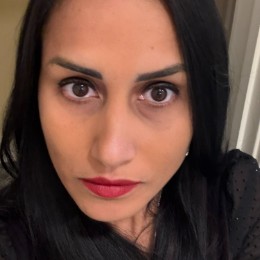
Luchy Hidalgo
Bedford,NH
Summary
Medical Affairs leader with over 12 years of experience driving scientific strategy across early- and late-phase clinical development. Recognized for building and leading high-impact Medical Affairs initiatives, I partner closely with Commercial, R&D, Market Access, and Patient Advocacy teams to ensure cohesive execution across the product lifecycle. My approach combines scientific rigor, real-world evidence, and advanced analytics to inform regional and enterprise-level decision-making.
With a well-established network of top-tier healthcare professionals, health system leaders, and Health Quality Leaders across major Northeastern U.S., the organization aims to improve patient outcomes. At academic and community institutions, I drive disease and product awareness, forge strategic partnerships, and champion patient-centric policies to enhance access to innovative therapies and screening solutions.
A methodical and results-driven director, I bring strong operational discipline, business acumen, and financial literacy—executing strategic plans, adapting to market dynamics, and measuring performance to deliver sustainable impact in complex healthcare environments.
Overview
16
16
years of professional experience
Work History
Regional Medical Scientific Director
Geron
Bedford, NH
07.2025 - Current
Scientific Strategy and Advisory Board Leadership. KOL Engagement and Territory Expansion. Patient Advocacy and Real-World Evidence Leadership. Scientific exchange, education, and awareness building, insight generation, and pipeline influence. Core Role Competencies Demonstrated.
As a Regional Medical Scientific Director, I served as a senior medical affairs leader, shaping regional scientific strategy, expanding institutional access, and translating real-world clinical insights into actionable medical and commercial guidance. My work bridged field medical execution with enterprise-level decision-making, ensuring that scientific exchange meaningfully influenced product positioning, evidence generation, and patient impact.
- Actively participated in seven regional and national advisory boards, contributing to agenda development, scientific moderation, and insight synthesis.
- Developed deep territory intelligence, including market dynamics, treatment paradigms, and unmet clinical needs across academic and community settings.
- Identified emerging clinical practice patterns that informed medical strategy and evidence planning.
Example: Through advisory board discussions, we uncovered that community hospital physicians often intervene before transfusion dependence in MDS patients, revealing an off-label, first-line use case for our therapy that was not previously prioritized. - Translated advisory board insights into clear strategic recommendations for medical affairs, clinical development, and commercial stakeholders.
- Expanded and strategically developed the New England territory, supporting and sustaining relationships with over 60 top-tier Key Opinion Leaders.
- Successfully gained scientific access to leading academic and research institutions, including Dana-Farber Cancer Institute, Massachusetts General Hospital, Yale New Haven Health, NewYork-Presbyterian (Columbia & Hudson Valley), and additional regional centers of excellence.
- Built long-term scientific partnerships through credible, non-promotional exchange, resulting in repeat engagements, and peer-to-peer advocacy.
- Example: Following a scientific exchange with a Boston-based advisor, I was personally requested to train the whole clinical team at NewYork-Presbyterian Hudson Valley, demonstrating trust, influence, and recognized expertise.
- Collaborated cross-functionally with Patient Advocacy to establish a Patient Advocacy Advisory Board, ensuring that patient perspectives were integrated into the medical strategy.
- In partnership with the Head of Market Access, I led the Real-World Evidence (RWE) strategic table, driving discussions that: Informed patient-centric RWE study design, prioritized the inclusion of underserved populations, and addressed disparities in care; generated hypotheses to better understand disease progression and treatment sequencing; identified educational gaps among clinicians—particularly Advanced Practice Providers (APPs); and guided the development of omnichannel medical education tailored to clinician learning preferences and technology use.
- Positioned RWE as a strategic tool, not just an outcomes measure, influencing both evidence generation and education strategy.
- Educated hundreds of healthcare providers through a combination of congress engagement, institutional visits, and one-on-one scientific discussions.
- Operated under a guiding philosophy of 'meet clinicians where they are,' adapting scientific exchange to the setting, time constraints, and clinical context.
- Represented the organization at regional and national congresses, using these venues to initiate high-value scientific relationships and gather forward-looking insights.
- Conducted in-depth follow-up meetings at hospital sites, strengthening scientific credibility and sustaining long-term engagement.
- Captured and synthesized field-based medical insights that informed the evolving vision of the product and its future clinical role.
- Example: Identified emerging data on transcriptase inhibitor utilization in high-risk MDS during a scientific congress presentation by a KOL—insights that later served as a foundation for future clinical positioning and utilization discussions.
- Consistently fed insights back to internal stakeholders, influencing clinical development, medical strategy, and evidence planning.
- Scientific leadership and disease-state expertise.
- KOL strategy and relationship management.
- Advisory board execution and insight translation.
- Cross-functional collaboration (Medical, Market Access, Patient Advocacy, RWE).
- Field-driven evidence generation and education strategy.
- Patient-centric, equity-focused medical thinking
Field Medical Director Operation Consultant
Springworks Therapeutics
Boston, MA
01.2025 - Current
- Led the design and implementation of Field Medical Operations infrastructure in a pre-MSL environment, establishing scalable data, process, and system foundations to support future Medical Affairs expansion.
- Developed and governed the MSL data strategy, including data mapping, analytics frameworks, and governance standards, to ensure compliant, high-quality medical engagement reporting.
- Conducted strategic KOL landscape research and mapping, producing a tiered list of high-value thought leaders to enable rapid MSL activation upon team onboarding.
- Served as a Subject Matter Expert for Veeva CRM, optimizing configuration for medical engagement tracking, insight capture, and leadership reporting.
- Created executive-level dashboards and reports, translating complex medical operations data into actionable insights for senior leadership.
- Partnered cross-functionally with Medical Affairs, Commercial Operations, IT, and Compliance to align systems, workflows, and reporting standards.
- Identified operational gaps across tools and processes, and delivered recommendations to improve efficiency, scalability, and insight quality.
- Applied strong project management discipline, overseeing timelines, deliverables, and stakeholder alignment throughout the engagement.
- Leveraged advanced Excel and PowerPoint capabilities to support analytics, reporting, and executive communications.
- Advised on regulatory considerations, including EU Medical Affairs requirements, to ensure global readiness. Field Medical Operations Director Consultant. Field Medical Data Strategy and Analytics. KOL Identification and Scientific Landscape Research. CRM Ownership and Veeva Optimization (SME Role): Reporting, Insights, and Executive Communication. Operational Excellence and Process Improvement.
Senior Medical Science Liaison- New England (ADHD)
IRONSHORE PHARMACEUTICALS
Boston, MA
03.2022 - 12.2024
- As a Senior Medical Science Liaison (MSL), my role involved engaging with Key Opinion Leaders (KOLs), Key Decision Makers (KDMs), Academic Medical Institutions, and Patient Organizations to provide timely medical education. This included proactive and reactive field medical education tailored to healthcare professionals (HCPs).
- My collaborative relationships with KOLs significantly contributed to the company's success. I developed a regional KOL engagement strategy by identifying, profiling, nurturing, and sustaining long-term associations. I also managed a database of KOLs, and facilitated collaborative publications with KOLs and clinicians. Additionally, I coordinated resources with top KOLs for MSL-led speaker events at major conferences. These efforts not only increased the awareness of Jornay PM, but also corrected misperceptions about the delivery platform. Furthermore, I educated scientific leaders who influence the training and education of colleagues and peers at national and regional training organizations. This work increased our brand and product awareness in hospitals and private practices, significantly increasing market share and brand recognition.
- I also established strong affiliations with nurse practitioners (NPs) to ensure the company's presence at the upcoming Major New England NP Conference in 2025. This involved collaborating with notable institutions and organizations, including Columbia University, Mass General Hospital, Mount Sinai, the ChildMind Institute, Boston Children's Hospital, AACAP, APA, CHADD, and the NH Medical Society.
- In addition to educating KOLs and speakers, I oversaw the MSL team, demonstrating my leadership and management skills. I identified and promoted suitable sites for clinical development initiatives. At APSARD 2024, I presented an industry abstract titled "Pooled Post Hoc Analysis of Permanent Product Measure of Performance (PERMP) Scores in Children with ADHD Treated with DR/ER-MPH from Two Phase 3 Studies."
- Furthermore, I played a crucial role in shaping our payor strategy, demonstrating my strategic planning skills. This involved planning and executing commercial and government payor events, and disseminating competitive intelligence obtained through interactions. My insights were instrumental in our strategic planning and execution, significantly increasing our product's market penetration and acceptance among payors.
Medical Science Liaison (Regional Medical Director) - New England
EXACT SCIENCES
01.2019 - 01.2022
- I pioneered and deployed the Northeast strategy content, platform, and metrics-driven methodology for the Northeast MSLs. It allows my team to provide customer-specific solutions to bring value to their HCP practices and the community they serve, ultimately leading to increased adoption of Cologuard within those systems.
- I work with the external communication and pipeline teams to facilitate the appropriate delivery and use of white papers, case studies, and clinical research in compliance with direct-to-consumer pharmaceutical advertising (DTCPA) regulations, Pharma Code, AvadMed, and state-specific code of ethics and interactions with the pharmaceutical industry.
- I identify, strategize, and develop clinical-based training and educational programs focused on patient-centric advocacy messages describing how stool-based tests can minimize health disparity and improve patient access to CRC screening. My team's educational material focuses on delivering a message that advocates for decreasing the initial CRC screening age from 50 to 45, promoting diagnostic colonoscopy as a covered part of the cancer screening continuum for 2020 USPSTF guidelines, and focusing on the importance of patients' choice in the decision process and patient navigation to close the CRC screening gap the underserved patient populations.
- My data analytics background allows me to support customer-centric data models and medically led outcomes to demonstrate how our products can advance equity among patients with diverse socioeconomic backgrounds. The CRC screening rates are above 75% in the Northeast. Therefore, I review state-specific screening data gaps to understand regional dynamics and know where to focus efforts to increase CRC screening within the lower percentile of screening communities per state. For instance, I joined VTAAC in VT to discuss solutions to increase CRC screening rates.
- I manage strategic accounts relationships within the Northeast and Mid-Atlantic regions, allowing me to understand the payer landscape to tailor specific messages that improve patients' access to CRC screening. My relationship with crucial health quality leaders will enable me to present how our product has shown cost-effectiveness when real-world data on adherence and product utilization are included.
- Also, I serve as chief spokesperson for medical affairs in the Northeast to demonstrate how the increment of utilization doesn't affect the standard of care market share and how patients' adherence to Cologuard's doesn't affect hospitals' IDN.
Microbiology Faculty - Department of Biological Sciences
MANCHESTER COMMUNITY COLLEGE (UNH)
Manchester, NH
01.2021 - 12.2021
- Delivered comprehensive microbiology training, integrating theoretical and practical laboratory skills.
- Completed day-to-day duties accurately and efficiently.
- Contributed innovative ideas and solutions to enhance team performance and outcomes.
- Ensured students proficiently identified macroscopic and microscopic characteristics of microbial isolates.
Medical Affairs Consultant / Senior MSL/ Medical Director
PROCLINICAL / TRINET
01.2017 - 01.2019
- I was crucial in providing medical guidance and leadership for global medical affairs activities, encompassing data generation (interventional and observational studies), publications, data analysis and interpretation, medical communication, medical training, and information. Additionally, I was responsible for defining the medical affairs strategy and establishing annual goals and budgets, ensuring compliant execution of all global medical affairs activities at international, regional, and local levels in alignment with corporate strategy to support collaborations with practitioners, research groups, payers, and patient advocacy groups.
- My contributions included the following key areas:
- Developing Medical Affairs Strategy: I offered strategic and scientific guidance for training, congress planning, and sponsored symposia. I also led and executed global advisory board meetings and communicated key findings to clinical development, Medical Affairs, and commercial teams.
- Establishing Medical Affairs (MA) Metrics: I designed an algorithm to stratify and grade the value of MA within the organization, ensuring equity and fairness in the work performed by the MSLs. This involved creating a grading scale corresponding to MSL activities such as developing opinion leader relationships, developing investigator-initiated trials, attending medical meetings, coordinating/participating in advisory boards, lecturing, and other training activities.
- Partnering with External Stakeholders: As a KHI and Transplant Therapeutic Consortium member, I aligned early trial stages to ensure the FDA had access to the best available information. I also cultivated customer relationships within my territory to facilitate scientific exchange relevant to transplantation, nephrology, and immunology.
- Collaborating with Patient Organizations: I held a business membership in the three major kidney patient organizations, enabling access to objective world data evidence from patients' reported outcomes. In a specific case, I conducted research providing insights into how patients perceive dialysis treatment versus transplantation.
- Pharmacovigilance: I collaborated with Clinical Operations, Data Management, and Quality Assurance to guarantee the accuracy of medical history and laboratory data.
- Budget Planning and Publication Strategy: I led the global publication strategy, providing insights on the design of interventional and observational research studies. This included a comprehensive literature review of significant articles on kidney transplantation for highly sensitized patients, identifying knowledge gaps requiring further research to execute publication plans. Subsequently, I designed a retrospective observational research protocol to create predictive models from RWD.
- Cross-Departmental Collaboration: I partnered with leadership from other departments to align pre- and post-launch strategies and tactics, applying an in-depth understanding of ESRD patient needs to guide global medical affairs strategy and tactics, clinical program development, branding strategy, and tactical planning.
Senior MSL - Director of Professional Education
OLYMPUS CORPORATION
01.2016 - 01.2017
- As director of Professional Educational Activities for GI and Respiratory, I was the subject matter expert leading the assessment and development of scientific and educational communications and the tactical execution of professional education courses. I was responsible for creating, delivering, and enhancing a data-driven medical education curriculum that emphasizes the safety and efficacy of our products. I monitored Professional Educational (PE) events and designed risk mitigation strategies.
- I managed a team that included clinical educators, the associate professional development team, and clinical specialists to ensure the quality of current Professional Educational (PE) events. Collaborating with my Professional Education Ops Teams, we created a concise educational curriculum incorporating collaborative solutions using HCPs, Marketing, and Compliance insights and inputs. I enhanced the HCP Network by providing information to satisfy unmet customer needs, increase patient safety, and decrease the risk of adverse events. I assisted faculties in constructing didactics by actively participating during the content's construction and delivering presentations. My efforts enhanced the quality of course risk mitigation by ensuring that the didactic sessions met all compliance obligations.
Medical Science Liaison
TERUMO BCT
01.2013 - 01.2016
- We focus on Plasmapheresis, Erythrocytapheresis, and Stem Cell collections (CAR-T Cells) for therapeutic areas of Solid Organ Cardiothoracic and Renal Transplant, Nephrology, Immunology, Hematology, Neurology, Hematology, and Oncology.
- Educate medical experts at regional and national levels to establish educational programs with critical leaders of organizations in Central, South, and North America to ensure fluid scientific communication of treatments, enabling market access and commercial success.
- Identify, develop, and maintain relationships with Key Opinion Leaders (KOLs) to communicate medical and scientific information about products and procedures relevant to their areas of interest.
- Educate healthcare professionals (HCPs) about the benefits of Apheresis for their patient populations.
- Support Company-initiated trials by interacting with primary investigators, assisting in site identification and screenings, and providing disease education. Also act as a facilitator for new research opportunities with various clinical investigators, working on relevant research initiatives that may address current unmet needs, such as developing therapeutic SOP for specific Orphan's Disease, improving access to patient vasculature through multi-specialty integration, and enhancing the understanding of therapeutic mechanisms of action.
- Sponsor sites for clinical studies following Good Clinical Practices (GCP), ICH Guidelines, and the Code of Federal Regulations (CFR). Collaborate with Clinical Affairs to efficiently plan and execute clinical study programs. Conduct site visits for training, monitoring, and regulatory review.
- Educate healthcare professionals at investigator meetings, advisory boards, and other venues to enhance product knowledge. Prepare reports on study setup, progress, and findings from visits.
- Address unsolicited requests for medical information, serve as a medical consultant for directors, and assist with program development, guest lectures, symposia formats, and scientific workshops.
- Present to healthcare professionals to improve therapeutic awareness of Apheresis by training medical staff in the utilization and clinical application of Plasmapheresis.
- Facilitate better access to patient care by collaborating with a multi-hospital physician registry that matches patients to better centers/providers within their geographic region.
- Share product-relevant clinical expertise by disseminating knowledge acquired from attending symposiums, scientific workshops, preceptorships, and critical literature reviews.
- Develop strategic clinical marketing plans and execute them to expedite product market readiness.
- Led cross-functional teams to cover scientific sessions at significant conferences and report findings.
Clinical Research Scientist/Medical Liaison
TRANSMEDICS
01.2010 - 01.2013
- Transplant therapeutic specialist for an organ preservation device, providing field support and building product awareness for domestic and international customers for clinical trial and commercial uses. I also maintain relationships with external healthcare customers as a scientific resource for therapeutic and business policy inquiries.
- Domestic and international site startup; provide leadership and develop site selection plan for training, tools, and strategy, targeting personnel, team management, and project implementation.
- Monitor and control heart perfusion using an organ care system during surgical procedures, providing complete myocardial protection under physiological hemodynamic parameters for heart transplants. Provide organ cardioplegia at controlled temperature and pressure.
- Monitor and control ex-vivo lung ventilation using perfusion and ventilation systems during surgical procedures, providing complete alveoli protection under physiological hemodynamic parameters for lung transplants. Perform periodic equipment tests for preventive maintenance and documentation.
- Work in the pre-clinical development of class II medical devices to prove and test the safety and efficacy of the equipment through animal experimentation.
- Foster mutually productive partnerships with KOLs for medical education and clinical/scientific research. Develop strategies and tactics to communicate complex scientific concepts.
- Present clinical/scientific data to vendors, allied health professionals, and KOLs.
- Understand FDA, ICH, HIPAA, and GCP guidelines and cross-functional clinical processes for Safety and Pharmacovigilance.
Education
Master of Science - Data Analytics
Southern New Hampshire University (SNHU)
07.2021
M.D. - Doctorate in Medicine
Universidad Autonoma De Santo Domingo (UASD)
06.2004
Skills
- Scientific strategy
- KOL engagement
- Real-world evidence
- Advisory board execution
- Patient advocacy
- Cross-functional collaboration
- Data analysis
- Communication strategy
- Relationship management
- Problem solving
- Influence and negotiation
- Strategic planning
- Project management
- Critical thinking
- Business strategy
- Relationship building
- Market analysis
- Analytical thinking
- Industry knowledge
- Medical affairs analytics
- Veeva CRM (SME)
- KOL mapping
- Data governance
- Cross-functional leadership
- Executive reporting
- Process optimization
Publications And Honors
- Diversity Impact in Medical Affairs, The Journal of the Medical Society, 03/26/21
- Keynote Speaker for best collaborative practices between Sales and Medical Affairs, 01/01/21
- Abstract ATC 2019: A prognostic drug development tool to access translatability at the time of listing for kidney transplant candidates.
- Retrospective ESRD patient data collection and analysis to define the un-transplantable patient profile of waitlist patients currently undergoing dialysis and of post-transplant patients (ATC 2019).
- Co-investigator for 'Feasibility and pilot efficacy results from the multisite Cognitive Remediation in the Schizophrenia Trials Network (CRSTN) randomized controlled trial.'
- Co-investigator for 'Effectiveness of antipsychotic drugs in patients with chronic schizophrenia.', JK Patel, N Engl. J Med., 09/09/10
- Principal Investigator for the Habito Description and frequency of tobacco consumption in the urban area of Jarabacoa, R.D., 03/01/04
Speaking Engagements
- APSARD 2024, Pooled Post Hoc Analysis of Permanent Product Measure of Performance (PERMP) Scores in Children with ADHD Treated with Delayed-Release/Extended-Release Methylphenidate from Two Phase 3 Studies.
- COVID-19 and the Rise of Telemedicine, 11/01/20, Massachusetts Health and Hospitals Association (MHA)
- How Medical Affairs Can Help Prepare the Market for a New Drug Launch, 04/01/20, MASS EAST
- Plenary Session-Boston, ATC, 06/01/19, Novel Pre-Market Therapies in Transplantation: Does FDA Endpoints Justify the Means?
- Toronto, ICNMD, 07/01/16, The Immunomodulatory Role of Plasma Exchange in PNS & Neuromuscular Diseases: A Presentation & Clinical Debate
- Vancouver, 10/01/15, Symposia regarding the role of Plasma Exchange and Technical Applications in Nephrology.
Timeline
Regional Medical Scientific Director
Geron
07.2025 - Current
Field Medical Director Operation Consultant
Springworks Therapeutics
01.2025 - Current
Senior Medical Science Liaison- New England (ADHD)
IRONSHORE PHARMACEUTICALS
03.2022 - 12.2024
Microbiology Faculty - Department of Biological Sciences
MANCHESTER COMMUNITY COLLEGE (UNH)
01.2021 - 12.2021
Medical Science Liaison (Regional Medical Director) - New England
EXACT SCIENCES
01.2019 - 01.2022
Medical Affairs Consultant / Senior MSL/ Medical Director
PROCLINICAL / TRINET
01.2017 - 01.2019
Senior MSL - Director of Professional Education
OLYMPUS CORPORATION
01.2016 - 01.2017
Medical Science Liaison
TERUMO BCT
01.2013 - 01.2016
Clinical Research Scientist/Medical Liaison
TRANSMEDICS
01.2010 - 01.2013
Master of Science - Data Analytics
Southern New Hampshire University (SNHU)
M.D. - Doctorate in Medicine
Universidad Autonoma De Santo Domingo (UASD)