

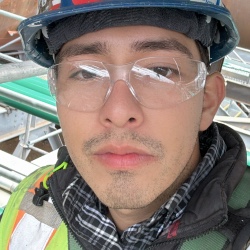
Victor Manuel Orquiz Quinonez
Palm Desert,CA
Summary
Worker with many skills in painting, sandblasting, repairing, preparing and everything related to painting, but not only that, I also know how to insulate, make scafol and among many other things, I am able to learn at a faster speed than normal and also know how to direct people, organize and execute work plans.
Overview
5
5
years of professional experience
Work History
Painter
Brock Services
Williston, North Dakota
05.2023 - 11.2024
I started working at the Brock Company as an industrial painter, in the process of painting two giant towers which involved me painting at height handling a 180-foot ginboom. After a few months I learned to insulate and also learned the trade. Finally, I also learned a lot about scaffolding and stevedoring working in an electrical plant on a project that lasted almost two years in the state of North Dakota.
- Cleaned and properly stored paint equipment and supplies at end of each workday.
- Painted walls and other surfaces using traditional and sprayer methods and worked efficiently to complete jobs within required timeframes.
- Removed old wall coverings before applying new ones.
- Cleaned up job sites after completion of projects.
- Sanded woodwork prior to staining or painting.
- Sprayed prepared surfaces with specified amounts of primers and finish coatings.
- Removed old finishes by stripping, sanding or using water or abrasive blasting.
- Mixed paints to desired color and texture.
- Selected and purchased tools or finishes for surfaces to be covered.
- Applied paint with brushes, rollers, spray guns, or other equipment.
- Constructed scaffolding and supports to complete work above ground-level.
- Washed and treated surfaces with oil, turpentine or other preparations.
- Cleaned and smoothed surfaces prior to painting.
- Smoothed surfaces using sandpaper, scrapers or sanding machines.
- Wore protective clothing such as masks, respirators and gloves.
- Assessed work areas to determine safety measures required before beginning the job.
- Used ladders and scaffolds to reach high walls and ceilings.
- Mixed and matched paint, stain or varnish with oil or thinning and drying additives to obtain desired colors and consistencies.
- Identified surface to be covered and characteristics of finish to properly select roller, power sprayer and right size brush.
- Performed minor plaster repair, blending newly renovated wall surfaces with existing plaster.
Painter
257 Valley Painting LLC
Palm Desert, California
12.2019 - 04.2023
I was a painter for the 257 Valley Painting Company for more than 3 years. I started as a painting assistant, which in the future led me to become a company. The company was dedicated to doing commercial and residential painting.
- Removed pictures, door knobs or electric switch covers prior to painting.
- Mixed paints and solutions and monitored consistencies.
- Painted walls and other surfaces using traditional and sprayer methods and worked efficiently to complete jobs within required timeframes.
- Repaired cracks in drywall prior to painting or wallpapering rooms.
- Primed, smoothed and cleaned trim, walls and ceilings to prepare for painting tasks.
- Sprayed prepared surfaces with specified amounts of primers and finish coatings.
- Filled cracks, holes or joints using caulking guns or putty knives.
- Cleaned and smoothed surfaces prior to painting.
Education
Inglish Leven 2 - English Language
College of The Desert
Palm Desert, CA01-2023
Skills
- Respirator operation
- Tool cleaning
- Wall repair
- Paint mixing
- Oil painting techniques
- Blast and paint equipment servicing
- Industrial and commercial painting experience
- Paint sprayer operation
- Primer application
- Construction professional
- Safety awareness
- Exceptional time management
- Scaffolding setup
- Clean driving record
- Self-directed and motivated
- Indoor and outdoor painting
- Sprayer use
- Hand and power tools
- Time management
Certificates
- Osha 10
- Tiwc Card
- Breathing card
- Jemboom driver's license 180 ft
Timeline
Painter
Brock Services
05.2023 - 11.2024
Painter
257 Valley Painting LLC
12.2019 - 04.2023
Inglish Leven 2 - English Language
College of The Desert